
Families who travel together often share an assumption: seeing the world makes kids smarter. And there’s something real to it. Watching a different currency exchange at a market, reading maps of an unfamiliar city, or asking directions in a second language does build skills you can’t get from a textbook. But the same school terms that produce these experiences tend to pull children away from structured learning for weeks at a time, and not every subject recovers on its own when the bags are unpacked.
What parents rarely expect is the specific way subjects like math begin to lag after extended travel periods. It isn’t about intelligence or effort. It’s about sequential learning. Math builds on itself more rigidly than history or language arts. A few missed weeks during a critical unit can leave a child staring at new material with a foundational gap they don’t know how to name, and parents who haven’t seen the lesson sequence may not notice until a test comes back looking worse than expected.
How Travel Gaps Show Up in the Classroom
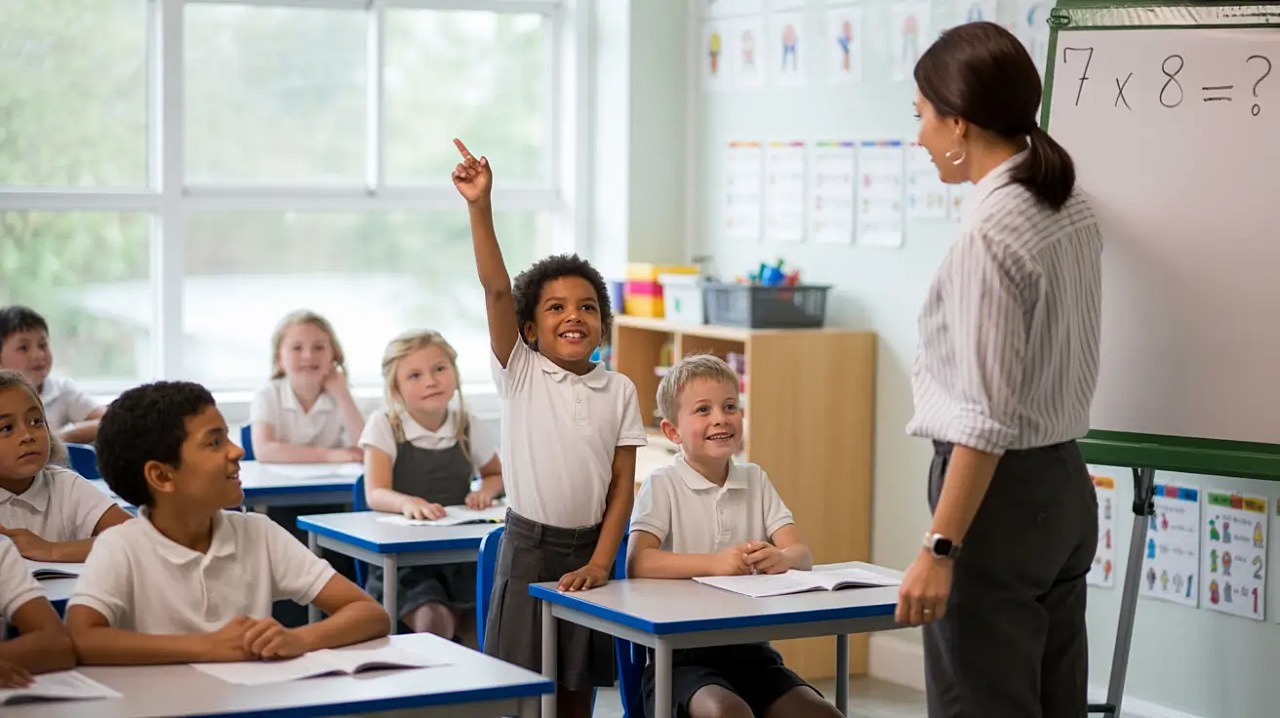
When kids return from a long trip, language skills often bounce back fast. They’ve been reading menus, navigating airports, and having real conversations with strangers. Math is different. If a class moved through fractions or early algebra while a child was away, those concepts don’t appear on a souvenir. The child returns and finds the class already building on something they never learned.
For many families, the instinct is to wait and see. The assumption is that a child will catch up naturally, or that the teacher will fill the gap. Sometimes that works. More often, math support becomes necessary once the gap crosses a threshold that self-correction no longer reaches. That threshold tends to arrive after two or three weeks of watching new instruction that doesn’t quite land, and learning to mask confusion rather than ask questions.
The clearest early warning isn’t a bad grade. It’s behavioral. A child who used to do homework in 20 minutes now takes an hour. A child who was fine with numbers starts avoiding them.
The Connection Between Unstructured Learning and Structured Subjects
Travel is rich in informal learning. Watching geysers erupt, hiking through unfamiliar terrain, or budgeting pocket money across different cities gives children a sense of scale, proportion, and cause-and-effect that classroom instruction rarely matches. According to the U.S. Department of Education’s What Works Clearinghouse, structured, sequential math instruction is one of the hardest skills to replicate through unstructured experience alone, which is exactly why informal learning, for all its value, doesn’t substitute for formal instruction in foundational academic subjects.
That’s worth sitting with. Travel makes children curious, adaptable, and comfortable with ambiguity. These are genuine cognitive advantages. They just don’t map cleanly onto the sequential skills that school math demands. A child who can mentally estimate the cost of three nights in a guesthouse may still struggle with the formal notation of equivalent fractions.
Parents who understand this distinction are better placed to support their kids. The question isn’t whether travel is good for learning (it is), but whether it creates specific academic gaps that need deliberate attention.
Recognizing the Signs Before They Compound

Math anxiety tends to develop quickly, and in ways that aren’t always visible to parents who aren’t in the classroom. A child who has fallen behind by a few lessons might begin to disengage from instruction entirely, not because they’ve given up, but because the explanations no longer track against what they already know. From the outside, disengagement looks like inattention or laziness. From the inside, it’s closer to listening to someone speak in a language you almost understand.
Research published by the National Institutes of Health found that cognitive tutoring specifically designed to address math gaps was effective in reducing both anxiety and the associated neural stress responses in children. The important finding wasn’t that tutoring worked in general, but that targeting the right intervention at the right developmental moment made a measurable difference in how the brain processed numerical information going forward.
The practical implication: waiting for a child to self-correct is higher-risk than it appears. The longer a gap stays unaddressed, the harder it becomes to separate the original knowledge gap from the anxiety layered on top of it.
Planning Travel with Academic Continuity in Mind
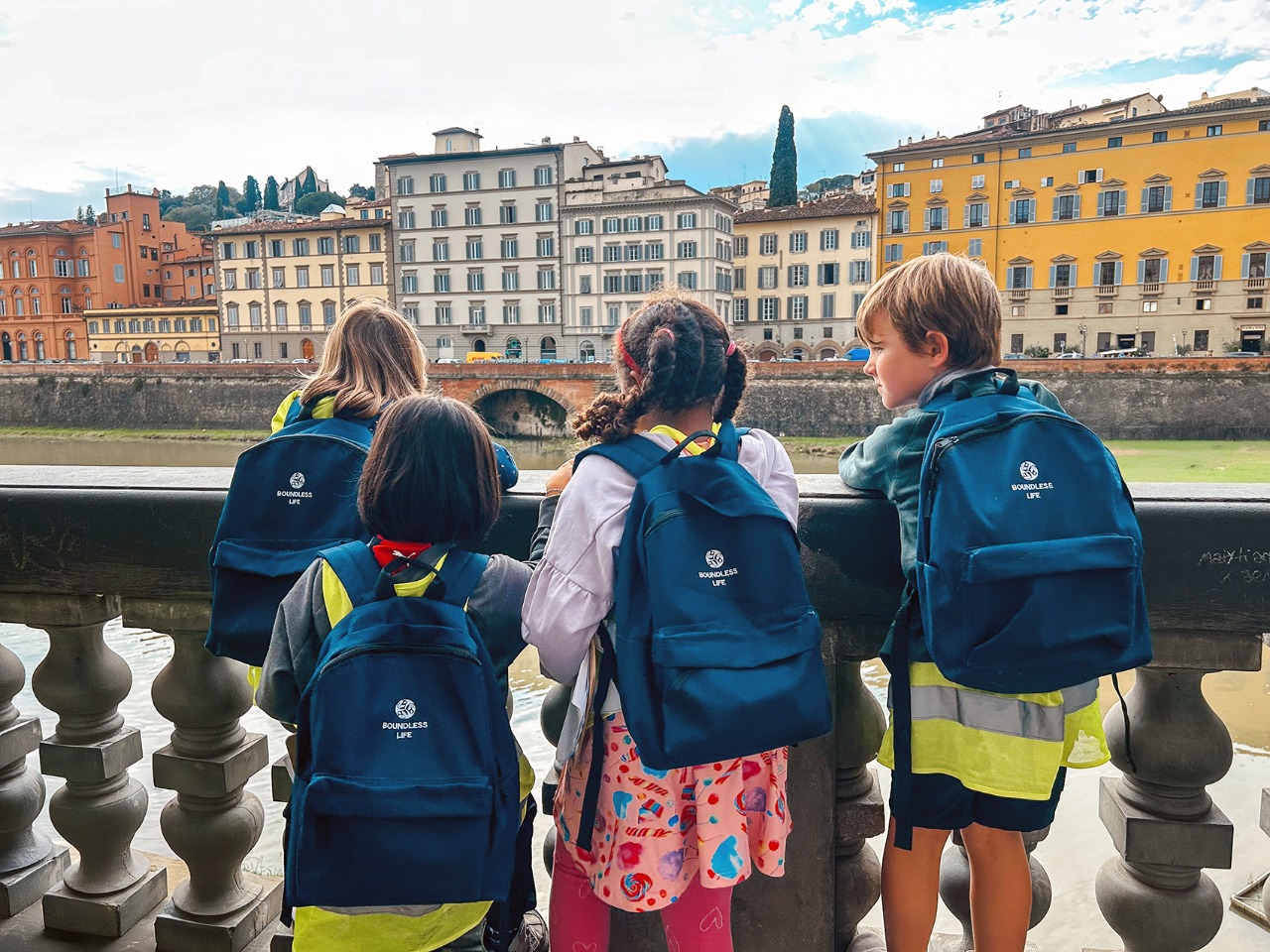
Families who travel regularly tend to develop their own approaches to academic continuity. Some pull their children out of school for short trips and rely on teachers to prepare materials in advance. Others travel during semester breaks entirely. A smaller group opts for periods of intensive tutoring before or after travel to cushion the impact on subjects like math.
None of these approaches is wrong. What matters is specificity. Knowing which subjects your child is most vulnerable to falling behind in, and which units in the school calendar are high-stakes, allows for planning that isn’t reactive. A two-week trip during a unit on fractions is categorically different from the same trip during a revision period. The first creates a gap; the second creates a break.
For families who travel often, this kind of academic mapping becomes a routine part of trip preparation. It sits alongside passport renewals and travel insurance rather than being an afterthought, which is when it becomes genuinely preventive rather than just reactive damage control.
When Outside Help Is the Right Call

At some point, identification needs to convert into action. If a child is struggling in math after a travel period and normal homework support isn’t closing the gap, the most effective intervention is usually a structured tutoring arrangement with someone who understands both the school curriculum and where the child currently sits within it.
The best tutoring isn’t remedial in tone. It doesn’t treat a student as someone who failed at something. It locates the specific missed concept, builds from there, and works at a pace that matches how quickly that individual child rebuilds confidence. For many kids, especially those who enjoy travel and informal learning, one-to-one instruction that connects abstract concepts to real experiences makes a significant difference.
The goal isn’t to catch up to a grade-level benchmark and stop. It’s to restore a child’s sense of competence in the subject before the next accumulation of learning begins. That’s the difference between closing a gap and preventing the next one.