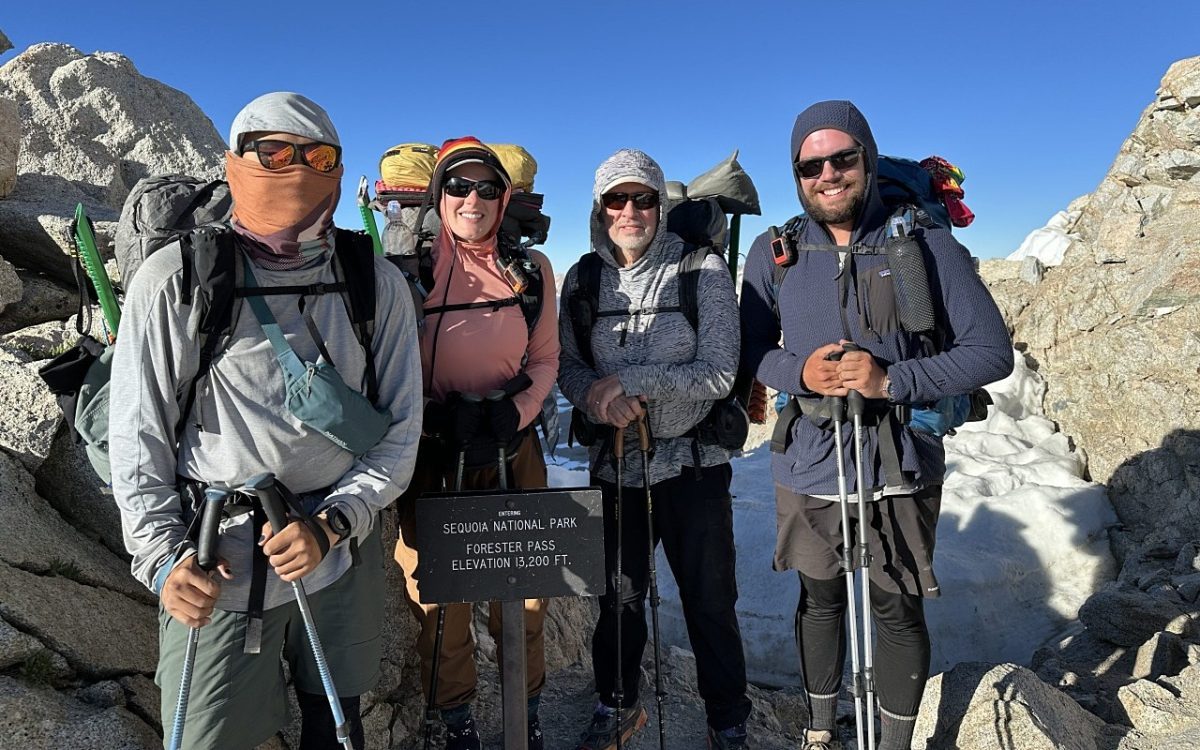
Spending days in the mountains does something to your skin that’s hard to predict in advance. The combination of altitude, direct sun, cold air, and physical exertion stresses your skin in ways that a beach holiday simply doesn’t, and the damage often surfaces long after you’re back at sea level. Dermatologists who work with outdoor enthusiasts, including the team at Lumine Dermatology & Laser Clinic, frequently point to this pattern: hikers who treat their bodies carefully on the trail tend to treat their skin as a secondary concern.
That’s starting to shift as more outdoor athletes take skincare seriously alongside training, nutrition, and recovery. The reasons aren’t cosmetic in any simple sense. Chronic sun exposure at high altitude, repeated wind abrasion, hours of sweating under synthetic fabrics, and the mechanical stress of carrying heavy packs all compound over months and years of regular hiking. Knowing what these conditions actually do to your skin is more useful than any list of product recommendations, and it changes how most people approach their time in the hills.
UV Exposure at High Altitude Is Harsher Than You Think
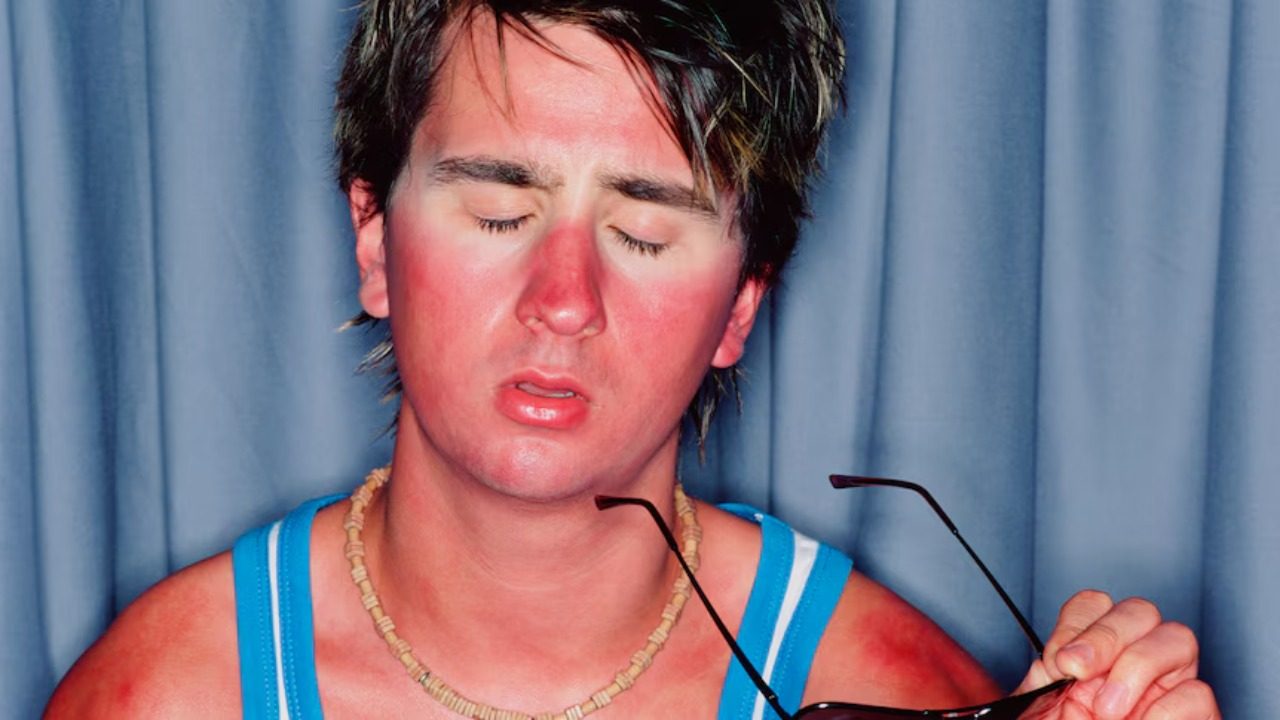
The atmosphere filters UV radiation, but it gets thinner as you gain elevation. For every 1,000 meters of altitude, UV intensity increases by roughly 10 to 12 percent. By the time you’re at 2,000 meters on a clear day, you’re absorbing significantly more radiation than you would at sea level, even in the same latitude and season. Snow and light-colored rock amplify this by reflecting radiation back up at your face and neck, the areas most exposed on a typical hike.
Most people apply sunscreen in the morning and forget about it. At altitude, that’s not adequate. Sweat accelerates breakdown, and broad-spectrum sunscreen with an SPF of at least 30 needs reapplication every two hours during active exposure, as the American Academy of Dermatology recommends. The practical issue is that hikers are often moving hard during the midday hours when UV peaks. Planning your timing matters as much as what you put on your skin.
Wind, Dryness, and Cold: The Damage Beyond Sunburn
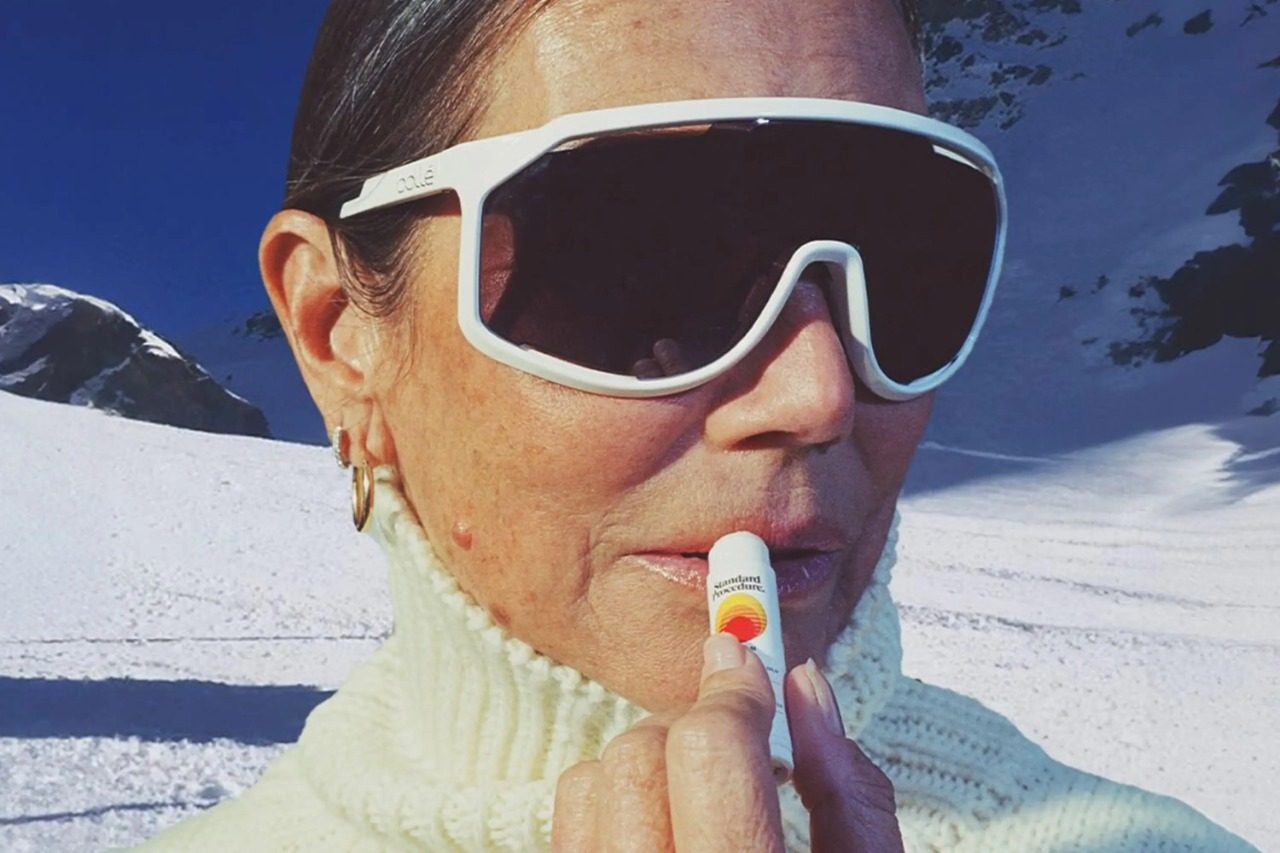
UV gets most of the attention in outdoor skin care discussions, but wind and low humidity cause a separate category of damage that’s harder to attribute to a specific day or route. The outer layer of your skin maintains a barrier function that relies on moisture retention. Cold, dry air and sustained wind both degrade that barrier over time. On a week-long mountain trip, the cumulative effect can leave skin rough, cracked, and more vulnerable to irritation long after you return.
The problem is that wind damage doesn’t feel dramatic in the moment. Unlike sunburn, which signals itself clearly through redness and pain, wind damage builds quietly. Many experienced hikers discover it only when they notice their face feels permanently tighter or their skin reacts to products it never reacted to before. Lip balm, moisturizer applied before sleep, and physical wind protection from buffs or balaclavas all help, but recovery from significant barrier damage can take several weeks.
What the Research Says About Travelers and UV Risk
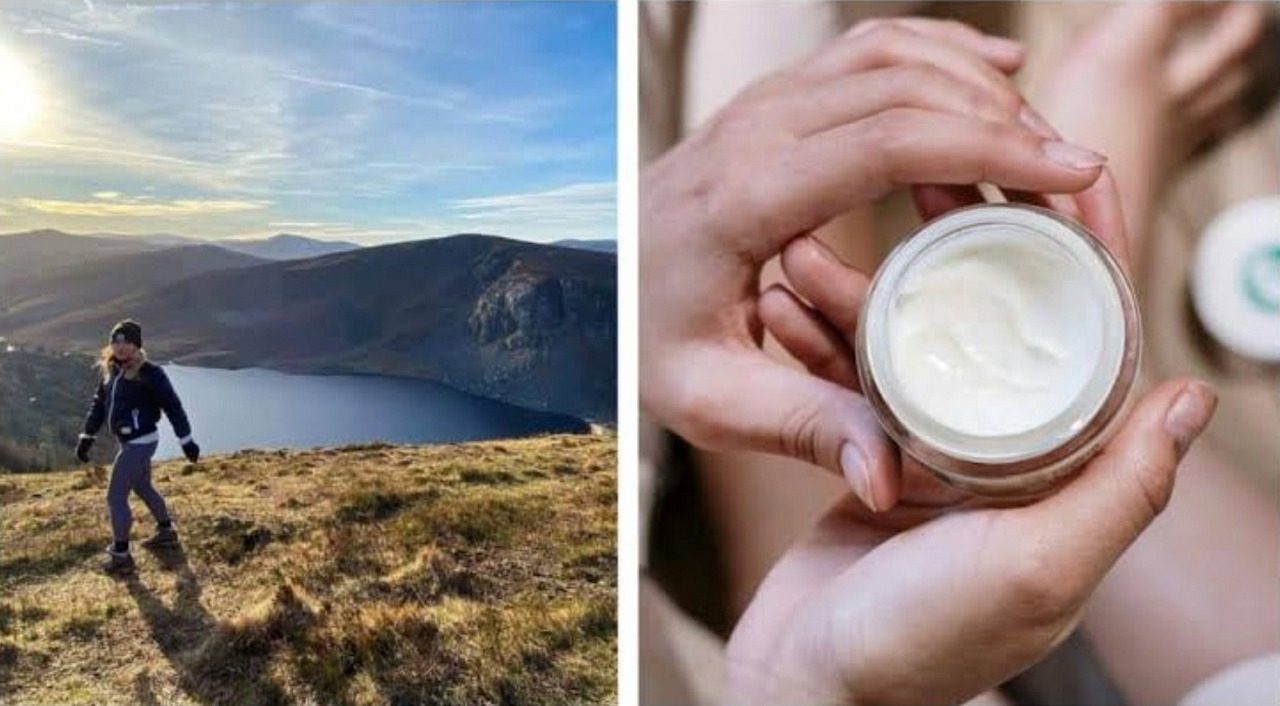
Outdoor travelers face a specific risk profile that differs from typical urban sun exposure. Extended time at altitude across multiple days, often with less shade than seaside environments and more exertion, results in a cumulative UV dose that most standard sun protection habits aren’t calibrated for. According to the CDC’s guidance on sun exposure for travelers, travelers in high-altitude regions and near reflective surfaces like snow should treat their approach to UV protection as a medical concern rather than a comfort issue.
This matters in practical terms because it shifts the frame. Sunscreen becomes gear, not a cosmetic product. Protective clothing replaces reapplication where possible, since mineral-based SPF fabrics are more reliable than sunscreen that sweats off. Hat selection affects whether your ears and neck get adequate cover. These are not vanity considerations. Most long-distance hikers who develop skin damage in their forties trace it back to routes done in their twenties when they carried minimal sun protection, or none at all.
How Your Skin Recovers Between Multi-Day Trips

What happens to your skin in the days after a long hike matters as much as what you do during it. The body’s repair mechanisms need sleep, adequate hydration, and intact nutrition to rebuild damaged skin cells. Most outdoor athletes are good at replenishing calories and electrolytes, but fewer pay attention to the micronutrients that support skin repair specifically, including zinc and vitamins C and E.
Gentle cleansing and a basic moisturizer in the days after a trip help the skin barrier recover without adding stress. Harsh exfoliants and retinoids should wait until the skin is fully stable, which for a two-week alpine trip might mean three to four days after you’re back. Redness, flaking, and increased sensitivity are normal in that window. If any unusual spots, pigment changes, or lesions appear after a trip, that’s a signal to get them looked at promptly rather than waiting to see if they resolve. A single dermatology check-up after an extended outdoor season is a reasonable habit.
Reading Your Skin Over the Long Term
Most mountain hikers spend years accumulating sun exposure before they start thinking about what that means cumulatively. The skin keeps a record. Irregular pigmentation, thickened patches, and spots that weren’t there three years ago often have a clear trail history behind them. This doesn’t mean panic at every freckle, but it does mean developing the habit of looking at your skin systematically after each season.
Dermatologists who work with outdoor athletes often see conditions that aren’t dramatic individual injuries; they’re slow accumulations that go unnoticed until they reach a threshold. The gap between “fine” and “needs treatment” can close over the course of two or three busy outdoor seasons. Annual skin checks are standard advice for anyone who spends significant time in the sun, but hikers and climbers with many years of high-altitude exposure should probably err toward more frequent monitoring, especially if they have fair skin or a history of significant burns.