
Manufacturing teams rarely change a proven process without a clear reason. New investments need to solve real production problems, reduce friction on the floor, and support better outcomes over time. That is part of why Beyonics MedTech Manufacturing in Singapore stands out as a useful point of reference for modern production strategy. In highly controlled environments, companies look for methods that improve consistency, simplify assembly, and help products perform reliably from the first unit to the last.
A strong example of that thinking appears in insert molding, a process that combines metal or other components with plastic during molding instead of adding them later in a separate step. For manufacturers, that shift can reduce assembly work, strengthen key part features, and support more efficient production. It also gives engineering and operations teams a better way to build parts that meet demanding performance goals without adding unnecessary complexity.
It Reduces Secondary Assembly Work
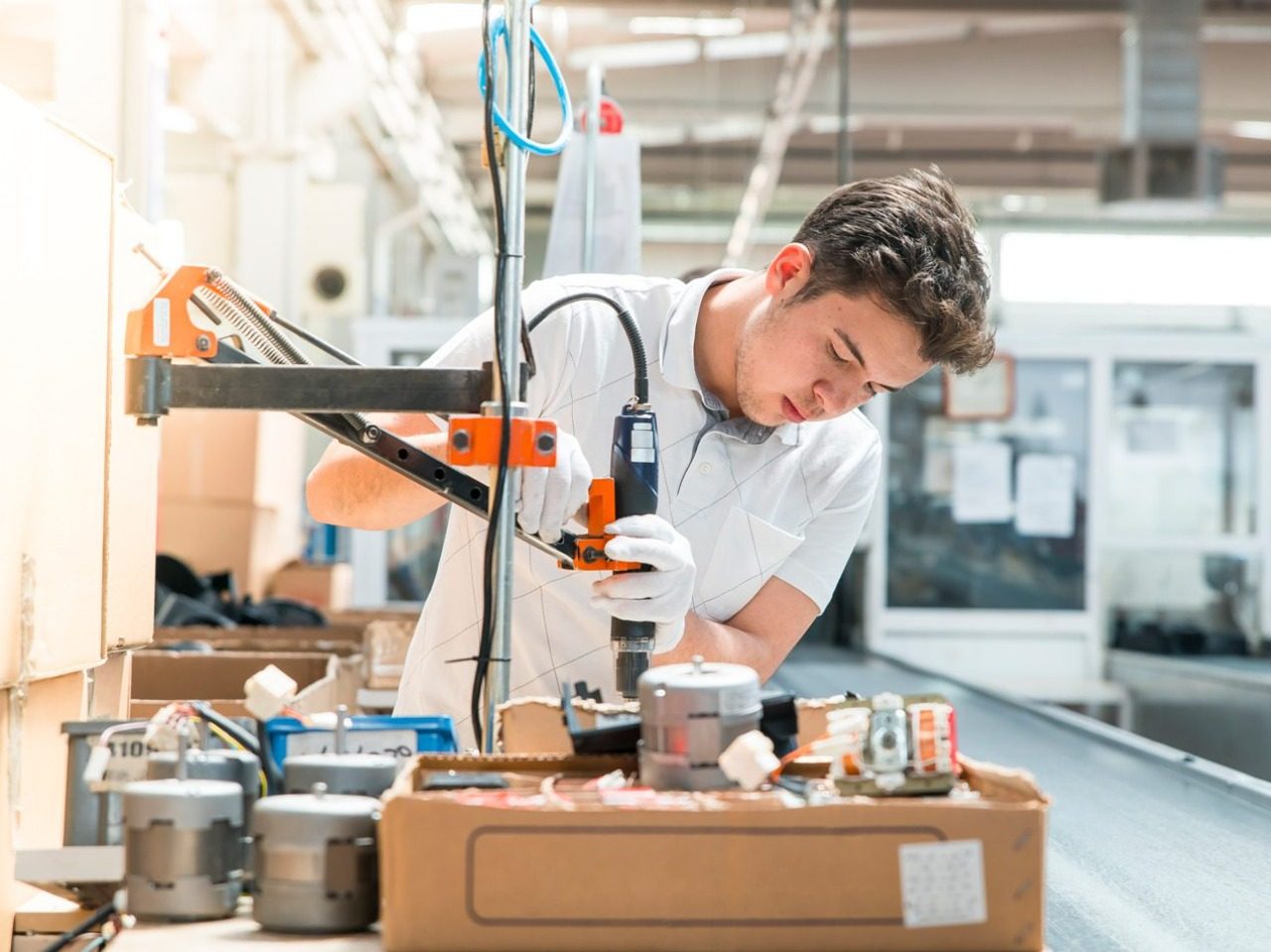
Many products still rely on a familiar sequence. A plastic component gets molded first, then operators add threaded inserts, pins, terminals, bushings, or other metal parts afterward. That approach can work, but it adds handling, labor, inspection time, and more room for variation. Insert molding changes the sequence by forming the plastic around the insert as part of the molding cycle itself.
That single decision can clean up production in a meaningful way. When a component leaves the mold closer to its finished state, the line needs fewer downstream steps. Teams spend less time on fastening, staking, bonding, alignment checks, and manual placement. That can lower labor pressure and reduce the chance of missing or poorly installed components.
The gain is not limited to speed. Fewer assembly stages usually mean fewer quality escapes. A part with a molded-in insert often arrives with better repeatability than a part that depends on manual placement later. For manufacturers trying to improve throughput without sacrificing control, that matters.
It Strengthens Critical Areas of the Part
Plastic gives manufacturers flexibility, lower weight, and design freedom, but some product features need more strength than resin alone can provide. Threads can wear down. Mounting points can crack under repeated load. Connection points can loosen over time if the design depends entirely on molded plastic. Insert molding solves that problem by placing stronger materials exactly where the part needs reinforcement.
This makes the process especially useful for products that see repeated fastening, vibration, movement, or service. A molded plastic housing may need metal threads to support ongoing maintenance. A handheld device may need a lightweight body with stronger attachment points. An industrial component may need electrical insulation from plastic and structural support from metal in the same part.
That combination helps manufacturers design with more confidence. Instead of overbuilding the whole component to protect a few stress points, engineers can reinforce those locations directly. The result can be a smarter part with better performance and a longer service life.
It Supports Better Product Design
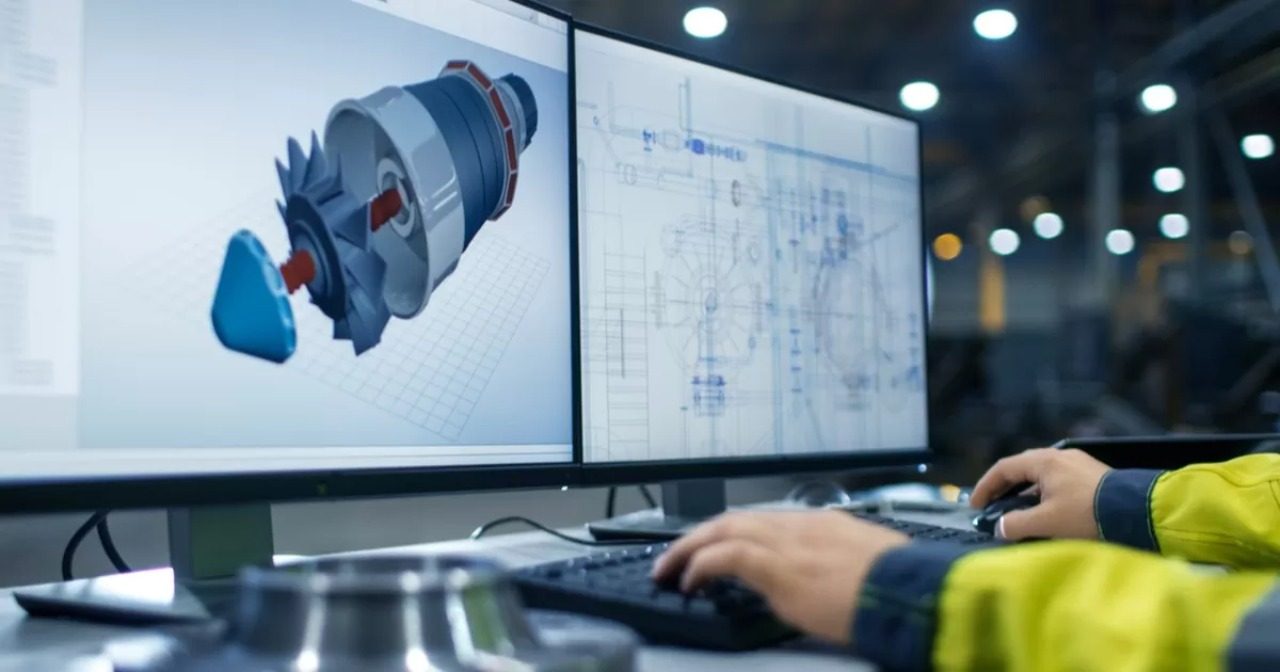
Insert molding does more than save steps on the production floor. It can also improve how a product gets designed in the first place. When engineers know they can combine materials and functions inside one molded component, they often find ways to reduce part count and simplify the full assembly.
That matters because every extra part creates new demands. More parts mean more sourcing, more inventory, more tolerance interactions, and more opportunities for assembly issues. A design that uses insert molding can often replace several separate pieces with one integrated component. That makes packaging easier and can improve how the final product fits, mounts, or performs.
Smaller, cleaner product architecture has real value. In electronics, medical devices, automotive systems, and industrial equipment, space is always limited and reliability matters. A part that combines structure, fastening, alignment, and insulation in one form can make the full product easier to build and easier to trust.
It Improves Long-Term Cost Control
Some teams look at insert molding and focus first on tooling complexity or setup requirements. That is understandable, but it only tells part of the story. The smarter financial view looks at the full production lifecycle. Once volumes rise, repeated secondary assembly costs can become much more expensive than a better front-end manufacturing decision.
Every extra handling step adds recurring cost. Labor, inspection, rework, scrap, and station time all build into the part price. Those costs may look manageable in a small production run, but they scale quickly. Insert molding can move much of that burden out of the day-to-day process by delivering a part that needs less follow-up work after molding.
This gives manufacturers stronger cost control over time. It also makes production planning more stable because there are fewer manual operations to manage. In a market where margins can tighten quickly, that kind of predictability has real strategic value.
It Rewards Early Engineering Discipline

Insert molding delivers the best results when manufacturers plan for it early. A part cannot simply be handed to the mold team at the last minute with a note asking for an insert to be added somewhere inside. The process depends on thoughtful design. Teams need to think through insert location, plastic flow, wall thickness, retention features, material behavior, and expected loads in real use.
That early work pays off. When manufacturing engineers and product designers collaborate from the start, they can solve problems before they show up in tooling or production. They can determine how the insert will be held in place, how the resin will fill around it, and how the finished part will perform after cooling and use. Those details shape both quality and efficiency.
Manufacturers that treat insert molding as part of product development, instead of a late process change, usually get more value from it. They avoid preventable redesigns, reduce production risk, and build parts that align more closely with real operating needs.
It Fits High-Performance Industries Well
Some manufacturing sectors place very little tolerance on inconsistency. Medical technology, electronics, automotive systems, and precision industrial products all demand parts that stay reliable under repeated use and strict performance expectations. Insert molding fits these environments because it supports a more integrated and durable component design.
Medical device production is a strong example. Many parts in that space need plastic for shape, weight, and insulation, but also need metal for threads, mounting points, conductivity, or wear resistance. Insert molding helps combine those needs in one controlled process. The same logic applies in connectors, housings, sensor components, and many compact assemblies where designers cannot afford weak interfaces or unnecessary assembly steps.
That is why the process continues to attract serious interest from manufacturers focused on quality and scale. It solves practical production issues while also improving how parts are built and how products perform in the field. For the right application, that makes insert molding a sound investment rather than a technical extra.
It Creates Value Beyond the Part Itself
A smart manufacturing investment should do more than improve one component. It should support broader operational goals. Insert molding can do that by simplifying workflows, reducing variation, and helping teams build a more efficient relationship between design, tooling, and production.
That wider impact matters in growing organizations. Cleaner production flow can improve scheduling. Better part integration can reduce supply chain dependency on extra hardware and secondary operations. Fewer assembly steps can help manufacturers respond faster when demand increases or labor becomes harder to scale. These gains may start at the part level, but they often influence the full production system.
For manufacturers trying to build stronger products with better economics, insert molding offers a practical answer. It helps reduce assembly load, reinforce critical features, and support cleaner design decisions. When used in the right application and planned with care, it becomes a manufacturing choice that strengthens both product performance and business performance.